2026
A Census of New Snake-in-the-Box Records ↗
Paul Orland, Lucas Fagan, Michele Tarquini, Davide Passaro, Maksymilian Manko, Elli Heyes, Angus Gruen, Giorgi Butbaia, Justin Tan, Sergei Gukov
arXiv:2607.15270 · July 2026We are a team of Math & AI researchers at Caltech, focused on developing AI systems that can tackle hard research-level math problems. Solving challenging mathematical tasks — such as proving or disproving long-standing conjectures, or establishing difficult theorems — often requires discovering intricate, multi-step solutions. Our mission is to use these hard mathematical problems as environments to design new AI algorithms and architectures that can identify rare solutions carrying disproportionately high rewards. In other words, we aspire to be one of the best AI research labs focused on sparse-reward, long-horizon tasks.
Interactive demonstrations
Algebraic combinatorics / Sparse-reward / ICML 2026
The agent builds a linearly presented square-free monomial ideal one generator at a time, searching for a generator graph whose diameter exceeds the ideal’s degree. Valid counterexamples are exceptionally rare, so reward arrives only at the end of a successful construction.
Research paper ↗HOW TO READ IT Nodes connect when |Si ∩ Sj| = d − 1. Orange traces a diameter path; curved off-red arcs mark irreducible level-two edges.
The hierarchical run is presampled: πS builds the line, then πL completes linearity. Uniform search samples distinct generators randomly.
Group theory / Long horizon / ICML 2026
Starting from a balanced presentation, the agent applies Andrews–Curtis moves: relator inversions, multiplications, and conjugations. Each move preserves the underlying group while reshaping the presentation, so progress can require a long sequence of locally valid but strategically meaningful moves.
Research paper ↗TRY IT Apply legal transformations manually, or run the stored agent trajectory back toward ⟨x,y | x,y⟩.
Free reductions happen automatically after every move. This is a small word sandbox, not a general conjecture solver.
Selected work
Paul Orland, Lucas Fagan, Michele Tarquini, Davide Passaro, Maksymilian Manko, Elli Heyes, Angus Gruen, Giorgi Butbaia, Justin Tan, Sergei Gukov
arXiv:2607.15270 · July 2026Giorgi Butbaia, Paul Orland, Coco Huang, Davide Passaro, Lucas Fagan, Michele Tarquini, Hailong Dao, David Eisenbud, Ali Shehper, Sergei Gukov
arXiv:2606.22922 · June 2026Lucas Fagan, Michele Tarquini, Ali Shehper, Maksymilian Manko, Angus Gruen, Coco Huang, Giorgi Butbaia, Davide Passaro, Sergei Gukov
arXiv:2606.21611 · June 2026Ali Shehper, Anibal M. Medina-Mardones, Lucas Fagan, Bartłomiej Lewandowski, Angus Gruen, Yang Qiu, Piotr Kucharski, Zhenghan Wang, Sergei Gukov
arXiv:2408.15332 · NeurIPS 2025The group
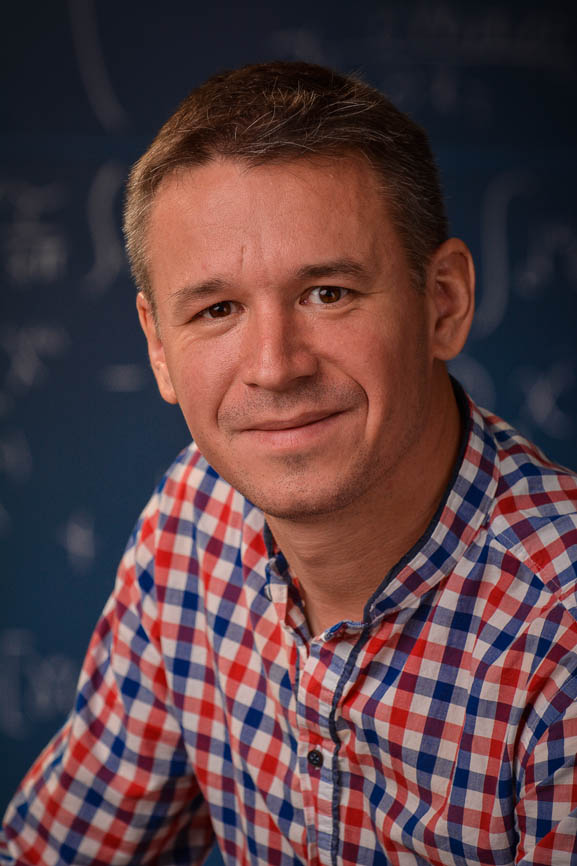
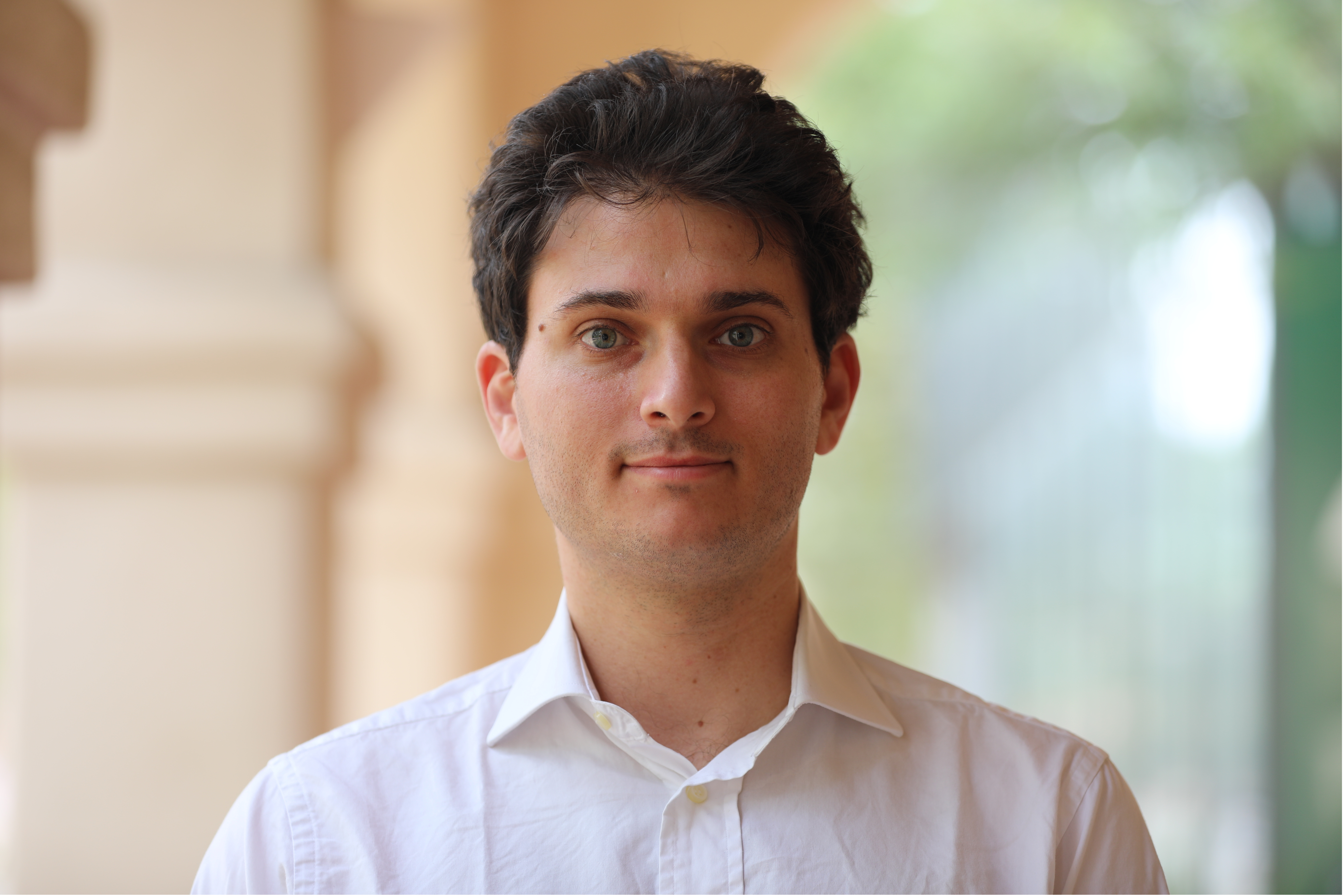
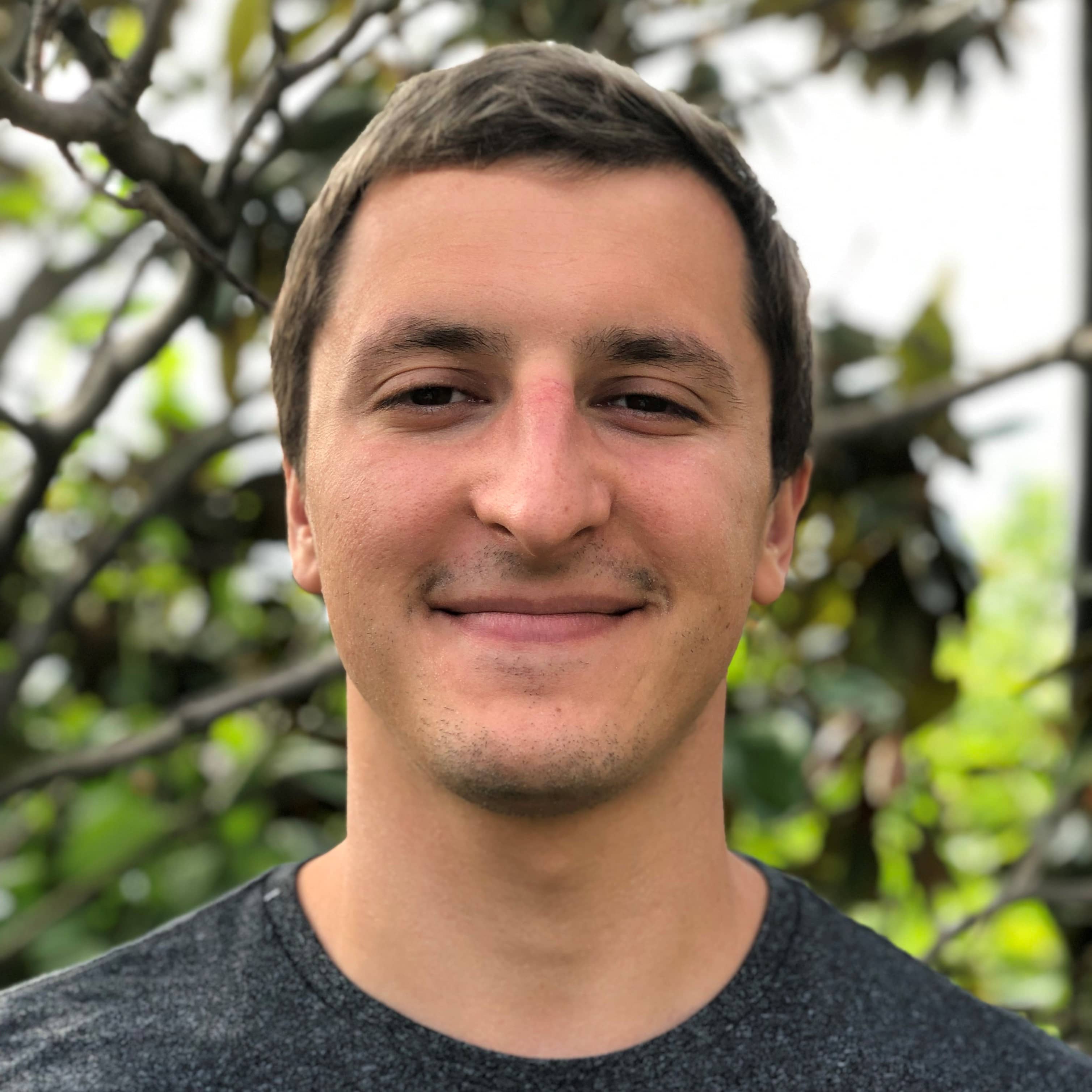
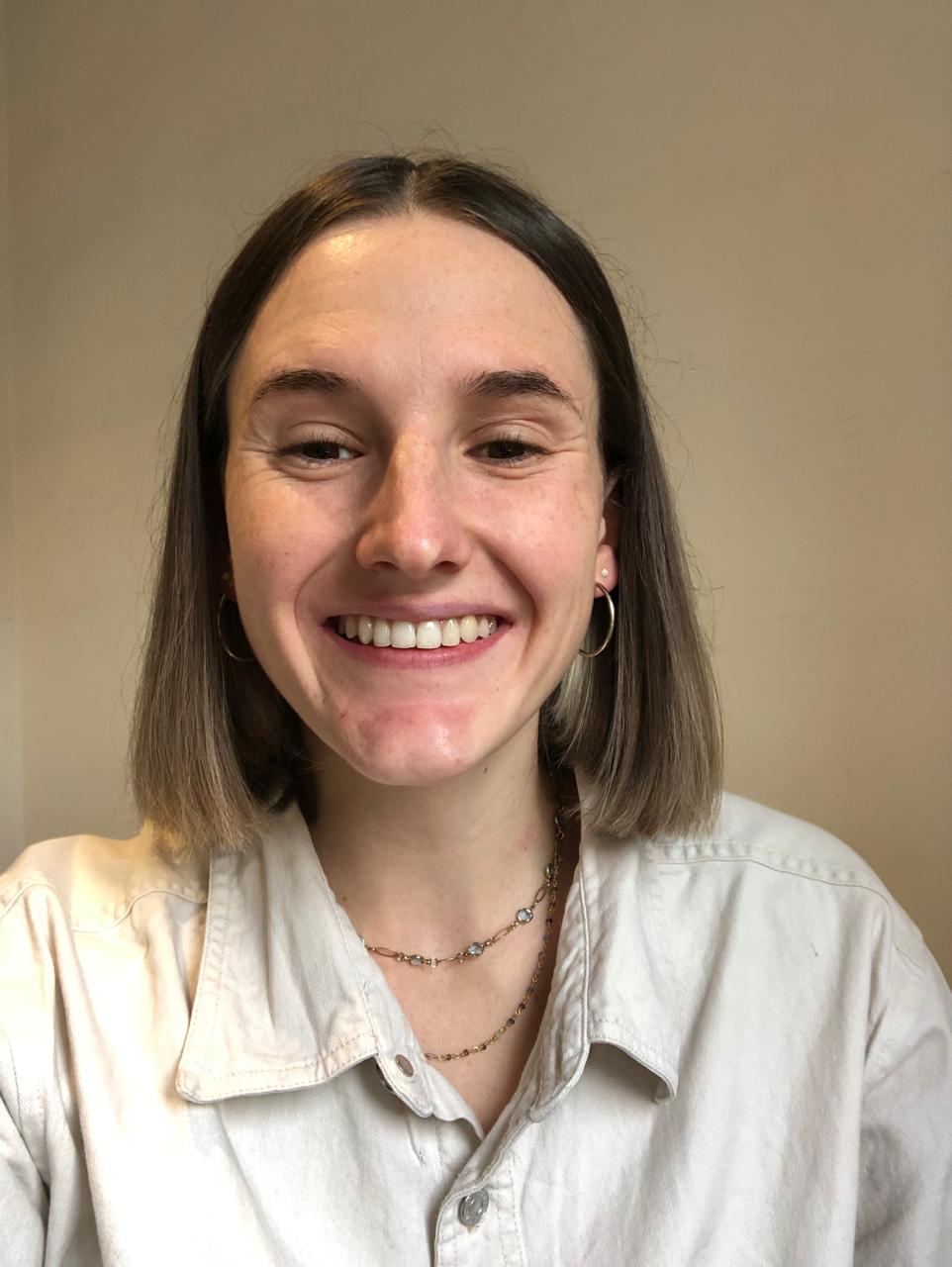
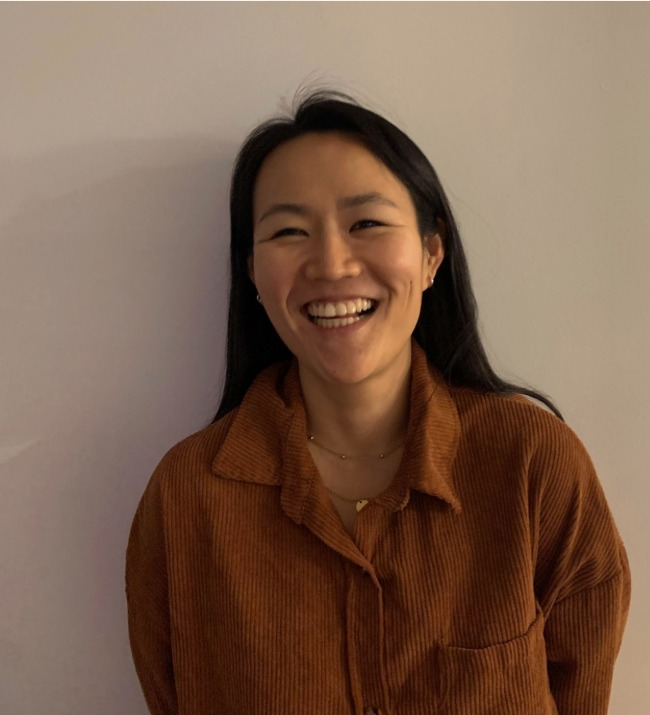
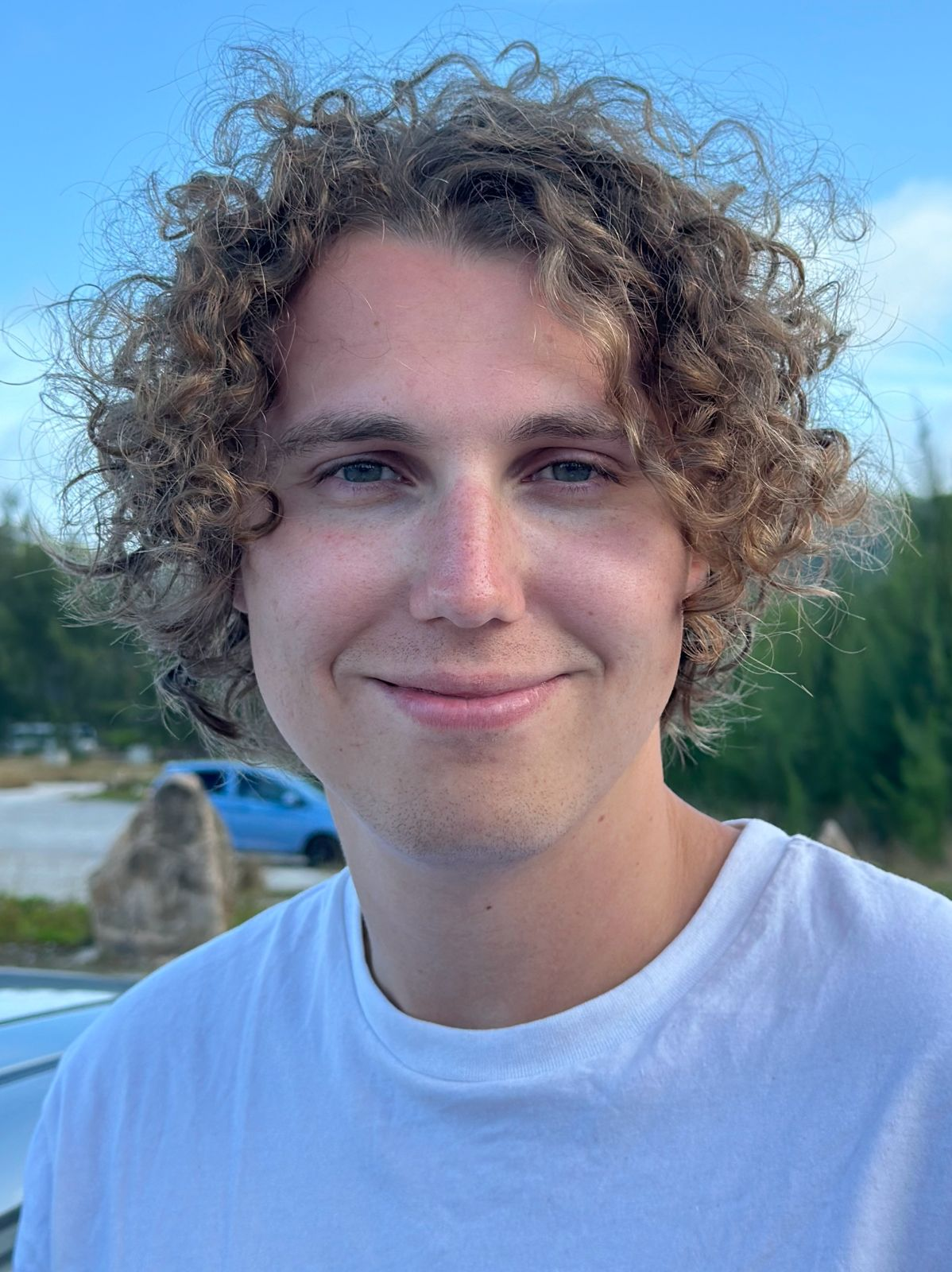
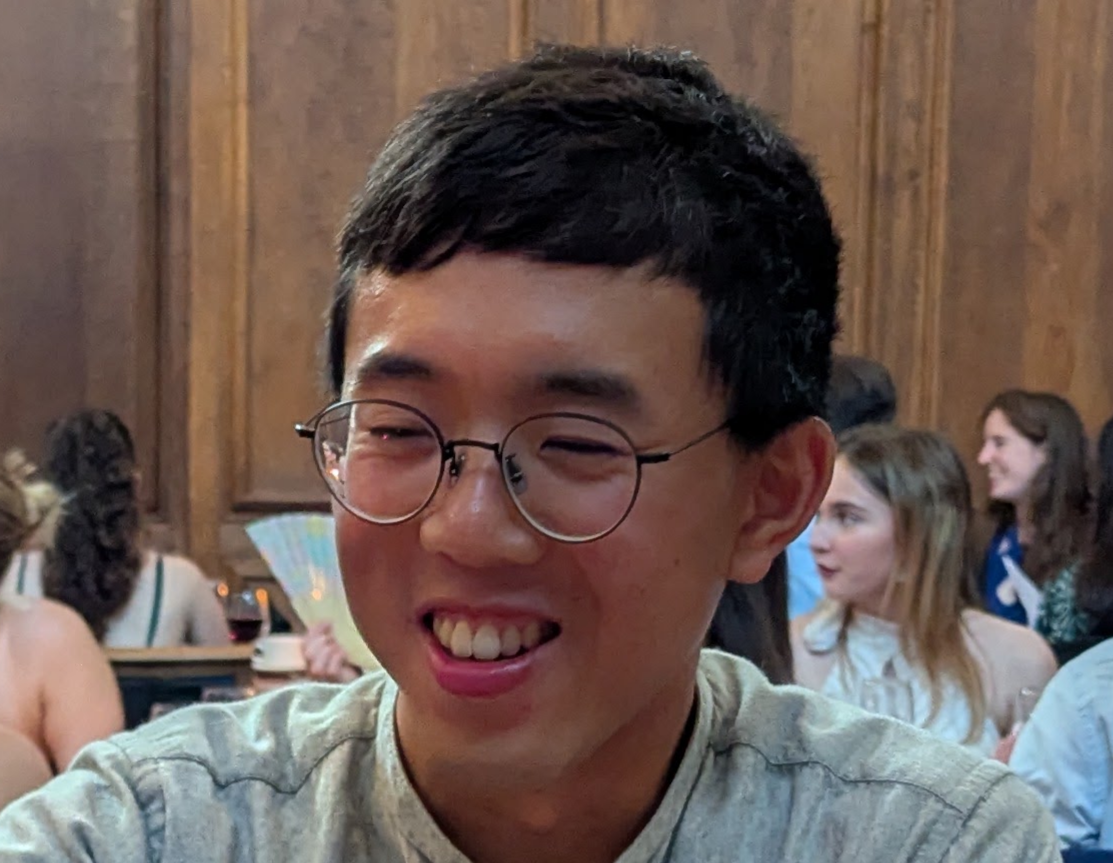
Mathematicians, physicists, and machine-learning researchers working together at Caltech and beyond.



Work with us
We welcome students, postdocs, and researchers working at the frontier of AI and mathematics — and mathematicians whose open problems could become our next environment.
Our premise
We use research-level mathematics to design algorithms for sparse-reward, long-horizon reasoning. The goal is not only to solve difficult problems, but to learn better ways of searching wherever decisive signals are rare.
California Institute of Technology
1200 East California Boulevard
Pasadena, California 91125
Support & partnerships

 AIMing grant
 Foundation

 TPU Research Cloud
 Academic Grant Program
 Academy Research Program
 University Program
A special thank you to Les Kohn for his philanthropic support.